









| 12 Ottobre 2011
Thymus schimperi

Vernacular names
Ethiopian thyme (Eng.)
Tosign (Am.)
Description and habitat
This perennial herb, woody at the base, is 5-40cm long with a pink corolla. Leaves are elliptic, 4-6 x 3-5mm. This plant is endemic to Ethiopia, occurring in open grassland in afromontane and alpine regions at altitudes of 2250-3750m.
Medicinal and other usages
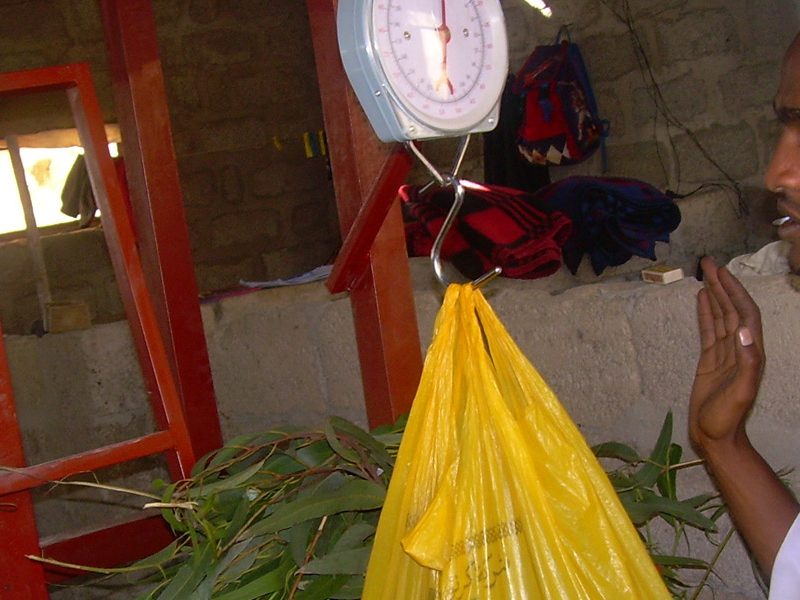
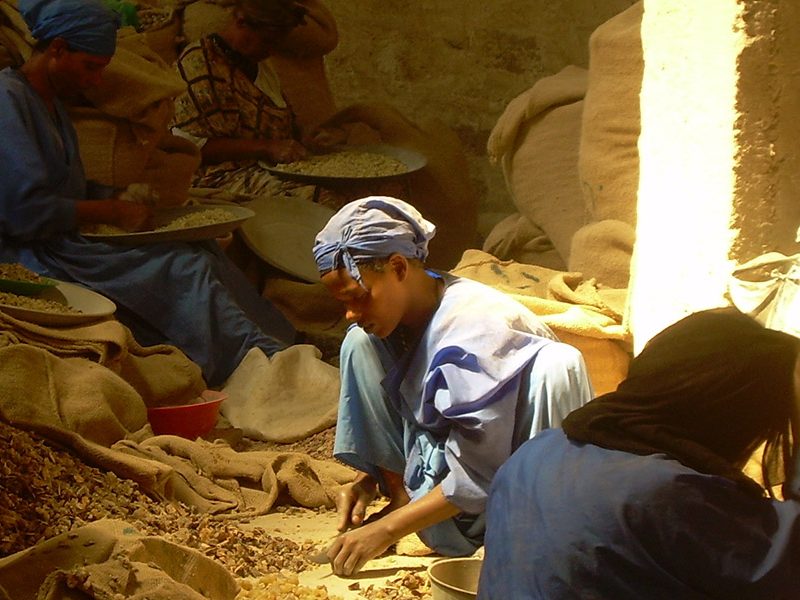
Leaf of Ethiopian thyme is widely used for the preparation of several Ethiopian meals. From a chemical aspect, it contains essential oil in a concentration of about 1.2% v/w (fresh leaf), whose main constituents are p-cymene, gamma-terpinene, thymol and carvacrol. Thymol and carvacrol are phenolic compounds, implying that they present strong antibacterial and antifungal activities. Thyme leaves are employed in infusion to treat efficiently cough and respiratory diseases. An essential oil based cream has proven its efficiency against fungal, as well as bacterial infections.
Caution
Ethiopian thyme essential oil has been reported to be irritant if used pure on skin or by oral administration, due to the presence of thymol and carvacrol. It is thus recommended to use this essential oil in a very diluted concentration, and particularly on mucus membrane where its concentration shouldn’t be superior to 1%.
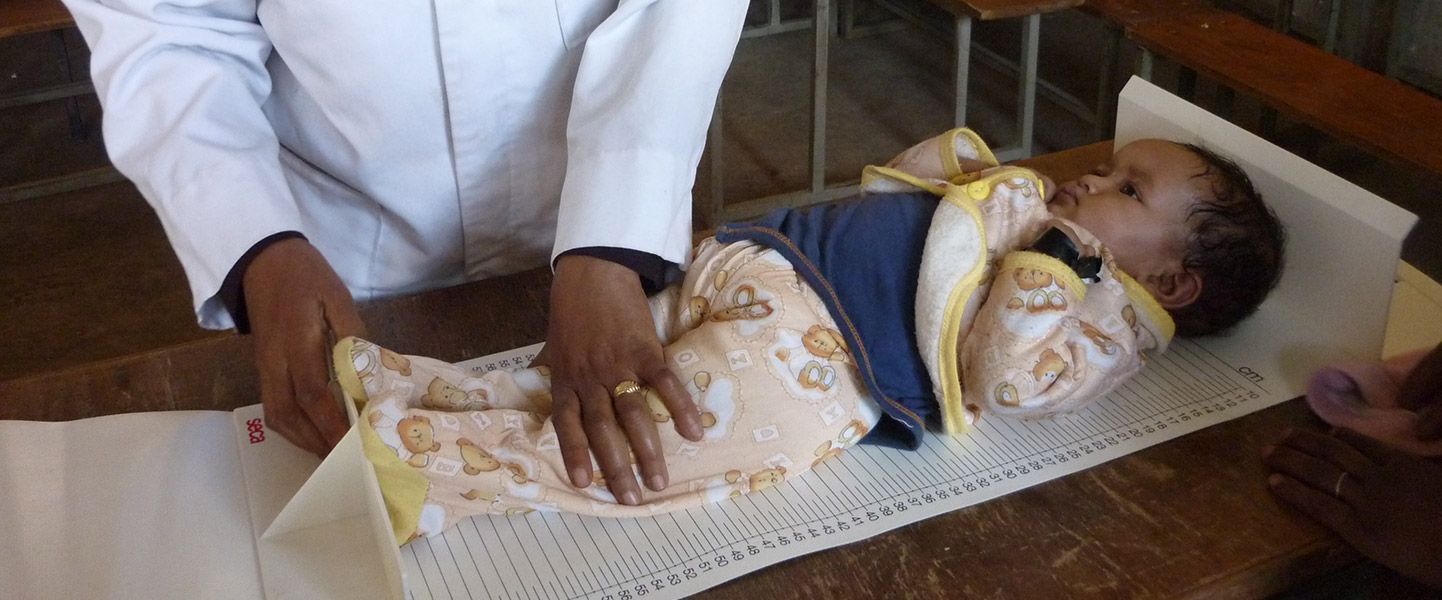
At the health center in Ankober
An cream made of the essential oil of Ethiopian thyme is currently employed to treat mild fungal infections as well as respiratory diseases.